Chapter One

Epidemiology Of Cervical Cancer

Overview

Cervical cancer is a leading cause of disease burden among women in many settings globally. Different populations are affected disproportionately, even in the same country. This chapter describes the burden of cervical cancer globally and in Kenya, and puts it into the context of the factors that drive disparities in both incidence as well as outcomes. A brief description of the justification and process followed in the development of the action plan is also presented.

1.1 Global Burden Of Cervical Cancer

Cervical cancer remains a significant global health concern, particularly in low- and middle-income countries (LMICs). Globally, it is the fourth most common cancer among women, with an estimated over 660,000 new cases and over 348,000 deaths annually, according to the International Agency for Research on Cancer (IARC) [1]. The primary cause of cervical precancerous lesions and cervical cancer is persistent infection with high-risk human papillomavirus (HPV) types. Cervical cancer is a preventable disease, HPV infection can be prevented by vaccination, and precancerous lesions arising from chronic HPV infection can be identified at cervical screening and treated to avoid progression to cervical cancer [2,3]. Despite advances in prevention and early detection, cervical cancer continues to pose a major public health challenge, especially in areas with limited access to healthcare services [4].

Regionally, the burden of cervical cancer varies widely (figure 1). Sub-Saharan Africa, South Asia, and parts of Latin America bear a disproportionate share of cases and deaths. In Sub-Saharan Africa, for example, cervical cancer is often the leading cause of cancer death among women due to inadequate screening programs and limited access to HPV vaccines [5]. In contrast, high- income regions such as North America and Western Europe have seen significant declines in incidence and mortality rates due to widespread screening and vaccination efforts. This regional variation highlights the importance of resource allocation and healthcare infrastructure in determining health outcomes.

Disparities in cervical cancer outcomes are influenced by multiple social, economic, and healthcare factors. Women from marginalized communities, including those with lower socioeconomic status, limited education, and restricted access to healthcare, are at greater risk of developing and dying from cervical cancer. Racial and ethnic disparities are also evident in many countries, reflecting systemic barriers to preventive care and treatment. Addressing these disparities requires a multifaceted approach that considers not only medical interventions but also broader social determinants of health.

Evidence-based strategies for reducing the burden of cervical cancer include HPV vaccination, regular screening using methods such as HPV testing, and timely treatment of precancerous lesions [6,7].

Women living with HIV are at significantly higher risk of developing cervical cancer due to their compromised immune systems, which make it more difficult to clear high-risk HPV infections—the primary cause of cervical cancer. Studies have shown that women with HIV are up to six times more likely to develop cervical cancer compared to HIV-negative women [8]. The progression from HPV infection to cervical precancer and cancer tends to be faster in this population, emphasizing the need for more frequent and earlier screening. In many low-resource settings where HIV prevalence is high, access to both antiretroviral therapy and cervical cancer prevention services remains limited, further compounding the risk. Integrating cervical cancer screening and treatment into HIV care programs is a crucial strategy to improve outcomes and reduce the dual burden of disease among women living with HIV [9,10].

Burden Of Cervical Cancer In Kenya

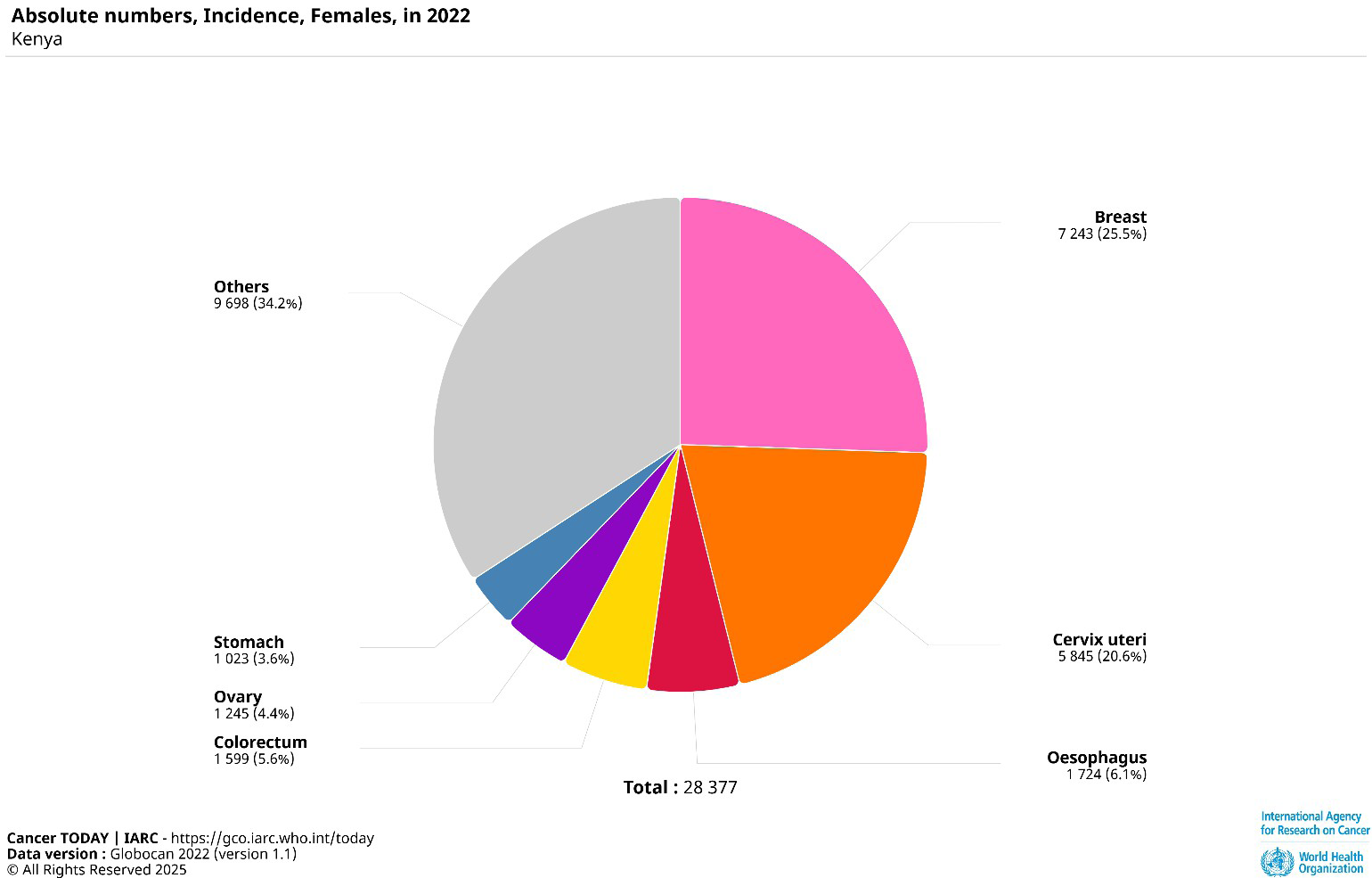
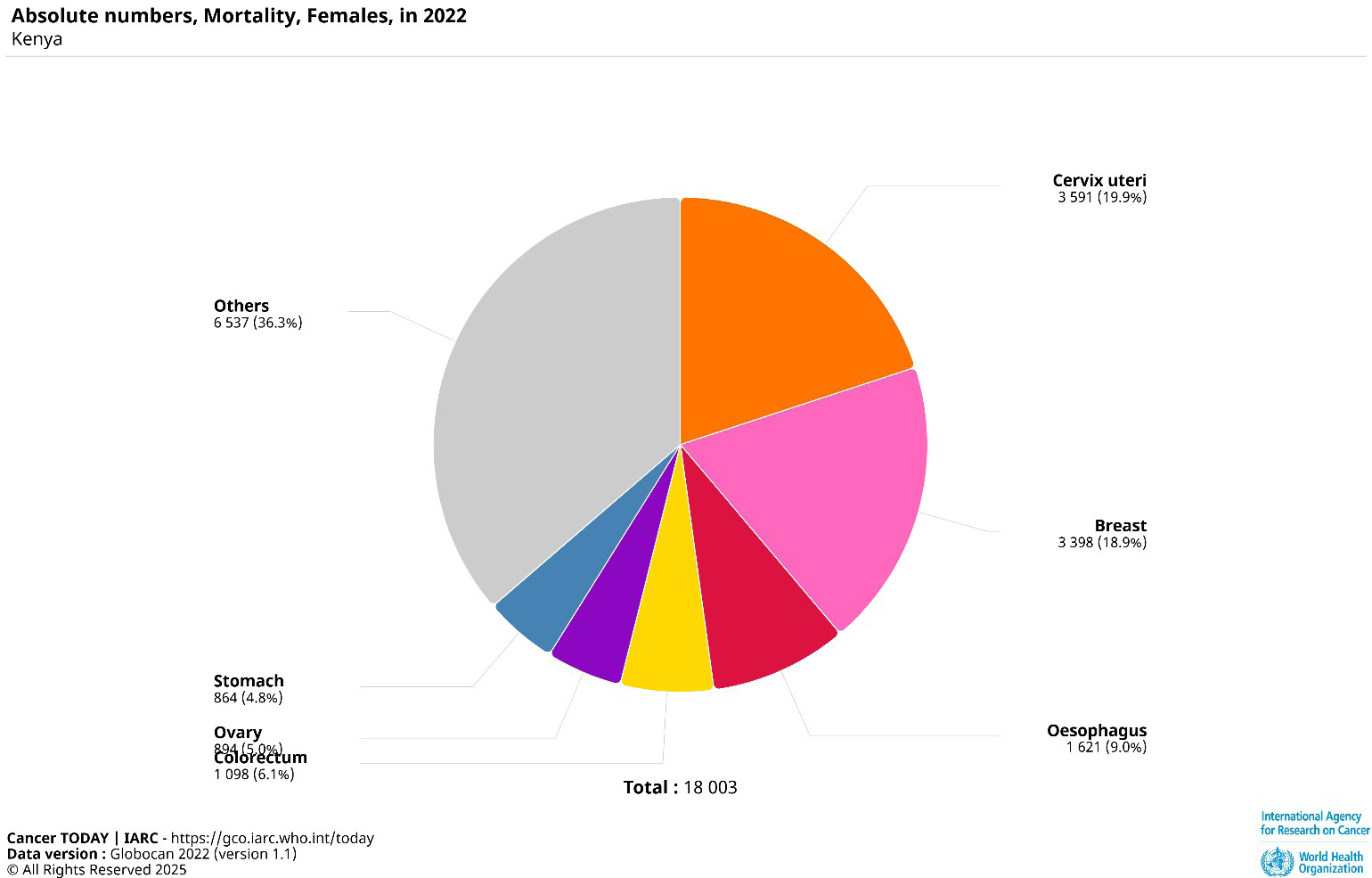
Cervical cancer remains a significant public health issue in Kenya, ranking as the leading cause of cancer- related deaths among women. Annually, approximately 6,000 new cases are diagnosed, accounting for 21% of all new cancer cases in women, with nearly 3,600 deaths reported each year. Figure 2 shows the proportion of new cancers and deaths in 2022 among women in Kenya. Cervical cancer is the second most common cancer after breast among Kenyan women and both account for almost 50% of all cancers among women. The age- standardized incidence and mortality rates for cervical cancer in Kenya are 32.8 and 21.4 per 100,000 women- years, respectively. The high incidence is primarily driven by lack of screening through which precancerous lesions would be detected, treated and progression to cancer prevented. The high mortality rate is largely attributed to late-stage diagnoses and limited access to timely treatment.

Cervical cancer disparities in Kenya are shaped by a complex interplay of socioeconomic, geographic, and systemic factors that hinder equitable access to prevention, screening, and treatment services. Women residing in rural areas and resource-poor urban settings often face significant challenges, including limited availability of screening services, shortages of trained healthcare providers, and inadequate medical supplies [11]. Socioeconomic status further exacerbates these disparities. Women from poorer households are significantly less likely to undergo cervical cancer screening compared to their wealthier counterparts [12]. Additionally, lack of health insurance and financial constraints impede access to necessary medical care. Cultural and social factors, such as limited autonomy in healthcare decision-making and misconceptions about cervical cancer, also contribute to low screening uptake. Addressing these multifaceted barriers requires targeted interventions that enhance healthcare infrastructure [13], increase community awareness, and promote policies aimed at reducing financial and social obstacles to cervical cancer prevention and treatment.

1.3 Global response to cervical cancer: the Global Elimination Initiative

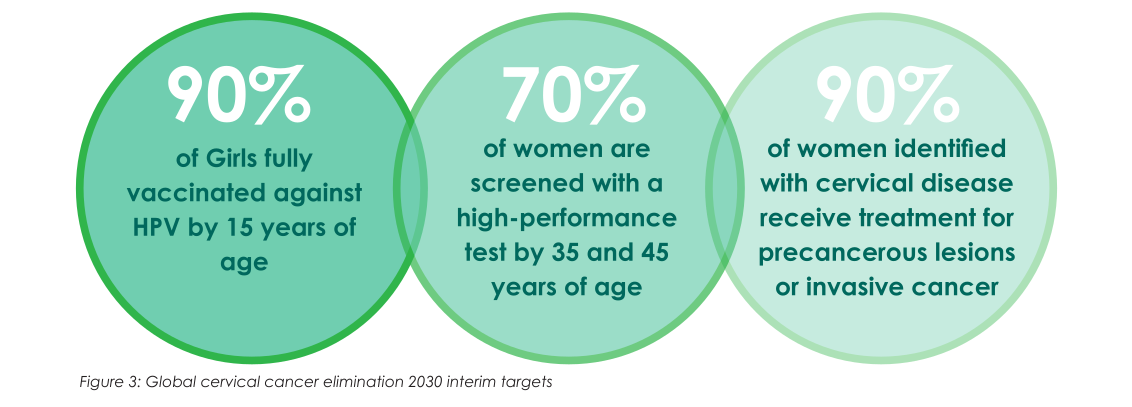
In May 2018, the WHO issued a global call to eliminate cervical cancer, leading to the establishment of the Cervical Cancer Elimination Initiative and the adoption of a Global Strategy in 2020 [14–16]. The goal is to reduce incidence to below 4 cases per 100,000 women, based on three key targets by 2030: 90% of girls fully vaccinated against HPV by age 15, 70% of women screened by ages 35 and 45, and 90% of those with pre-cancer or cancer receiving appropriate treatment (figure 3). Achieving these targets will require strong political commitment, sustainable financing, community engagement, and integration of services into existing health systems. These efforts, if effectively implemented, can drastically reduce the incidence and mortality of cervical cancer worldwide [7].

The global strategy specifies the strategic action that every country should prioritize in order to be on the path to elimination. For HPV vaccination, these include securing affordable vaccine supplies through market interventions and strengthen delivery systems using school programs and community outreach, especially for underserved populations. Additionally, evidence- based communication, social mobilization, and ongoing innovation are critical to improving vaccine uptake, addressing hesitancy, and ensuring efficient, high- quality delivery. For screening and precancer treatment, it is vital to understand and address social, cultural, and structural barriers by engaging communities—especially women—in designing accessible, context-specific services and increasing health literacy. Integrating screening and treatment into primary care, promoting single-visit screen-and-treat approaches, ensuring affordable access to quality-assured diagnostics, and strengthening laboratory capacity with robust quality assurance are key to delivering effective, people-centered care. Comprehensive care for cervical cancer cases requires implementing national guidelines, strengthening referral networks, expanding diagnostic and treatment capacities, including surgery, radiotherapy, and palliative care—while addressing workforce training, stigma reduction, and survivor support to ensure accessible, high-quality, people- centered care across the continuum.

1.4 Justification And Process Of Developing The Action Plan

Although cervical cancer elimination is one of the strategic interventions in the National Cancer Control Strategy 2023–2027, an operational implementation plan was necessary to accelerate progress toward the 2030 elimination targets. The National Cervical Cancer Elimination Action Plan (NCCEAP) therefore provides the focused, coordinated, and time-bound roadmap required to translate national priorities into concrete actions, clarify roles across stakeholders, and align investments along the entire prevention, screening, diagnosis, and treatment continuum. This dedicated plan positions Kenya to close existing gaps and move decisively toward cervical cancer elimination.

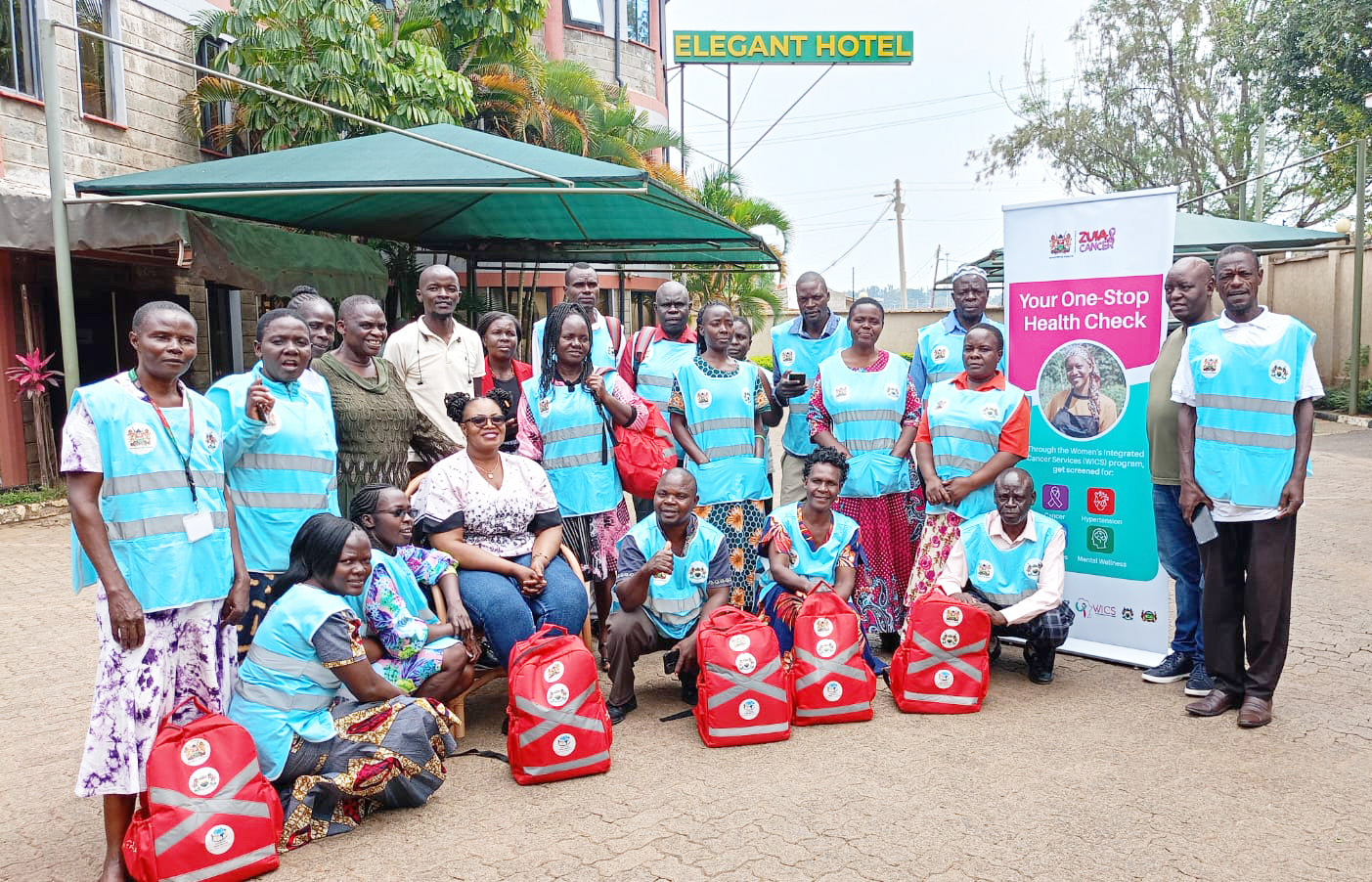
The process of developing the action plan commenced in December 2024, with the formation of a governance mechanism, comprising the core team (NCCP, NVIP and Health Systems Insight/HSI) and an advisory team (the STOP cervical cancer TWG). Thereafter, a stakeholders co-creation and prioritization workshop was held in March 2025, with the aim of undertaking a performance review of the national cervical cancer program, undertake gap and root cause analysis, and suggest priority areas of focus for the action plan (figure 4). Subsequent technical workshops oversaw the development of the action plan draft, including costing and development of various learning and advocacy products. After external review and validation, the action plan will be launched, disseminated to all relevant stakeholders and implementation commenced.